
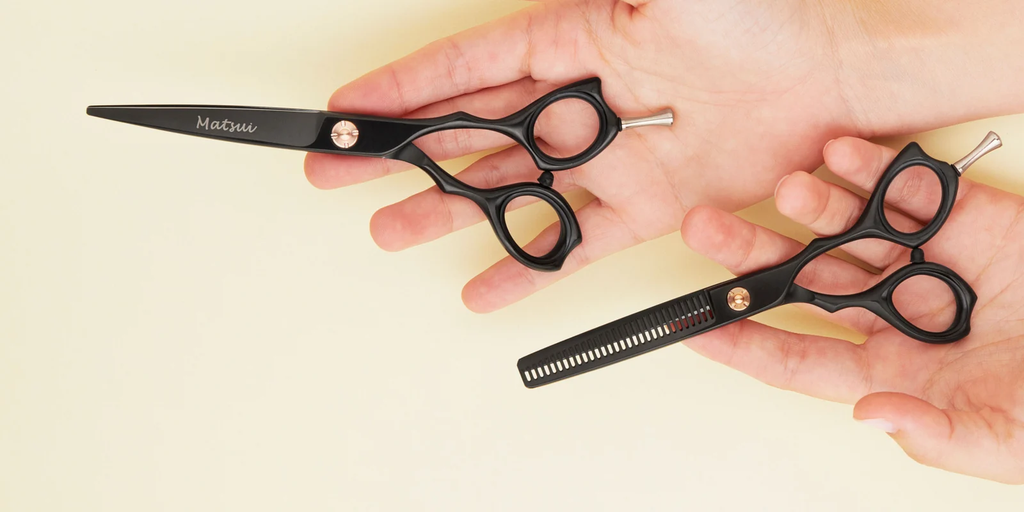
A travelling stylist carries more than tools. The kit also carries the risk of hurried packing, variable work surfaces, unfamiliar storage, and a missing item discovered between appointments. Hair cutting shears need a protection routine that is realistic for mobile work, while backups need a defined role. Carrying several unlabelled pairs may feel safe, but it can create confusion when a tool needs care or a replacement decision.
Mobile planning works best when it divides the kit into active tools, protected backups, and service items. The system should be easy to check before leaving, easy to restore after an appointment, and specific enough that another professional could identify what is missing. It does not promise that travel will be trouble-free. It makes the response to an actual problem more orderly.
Give Every Travel Tool a Service Role
Pack for the actual itinerary. Before a long journey between appointments, confirm which tools must remain accessible, which backup matches the scheduled service, where a dropped pair would be isolated pending inspection, and whether the case keeps loose accessories away from exposed cutting edges when it is carried upright, laid flat, or moved into a different vehicle.
Start with the appointments planned for the day. Hair cutting shears may be the primary category for general work. Barber shears can be assigned to a barbering service. Thinning shears should be packed when the professional has a defined texture task and the appropriate handling plan. Naming the role avoids an overfilled case full of tools that have no intended use.
JOEWELL connects length selection with cutting technique and distinguishes detail-oriented shorter tools from longer tools with greater reach and cutting area. That is manufacturer guidance, not a universal packing list. A travelling professional can still use it as a reason to map the tool to the service rather than select a backup solely by appearance.
Protect the Active Kit During Transitions
Protection begins before transport. Check that each item is clean enough to store, placed in its intended holder, and separated from loose objects that could contact the blades. At arrival, repeat a quick count before setting up. At departure, restore the same order. These small checks can be written on a travel kit readiness card and completed without a lengthy inspection ritual.
JAGUAR publishes care guidance that includes daily cleaning, pivot oiling, and sharpening as needed. That advice belongs to JAGUAR and should be adapted to the actual tools and supplier instructions in the kit. It nevertheless shows why care is part of protection: a travel case does not remove the need to notice residue, pivot condition, or a tool that should be withdrawn for service.
MATSUOPRO can be discussed as a supplier reference, but the mobile professional should document only the condition actually observed. A readiness card can note a missing item, a care issue, or a pending supplier question without implying a product fault.
Plan Backups by Function Rather Than Volume
A useful backup covers the service that would otherwise stop. It need not duplicate every tool in the case. For example, the primary hair cutting shears may justify a protected backup for a full day of cutting appointments, while barber shears or thinning shears may be packed only for a confirmed specialist booking. The right arrangement depends on the service schedule and the professional’s own handling requirements.
Label the backup category and keep it apart from the active tool. That makes it clear whether the backup has been used, needs care, or should return to protected status. When a backup repeatedly becomes the active tool, record why. The observation may indicate a scheduling need, a maintenance question, or a mismatch between the original role and actual demand.
Build a Short Incident Response
An incident response can be plain language: stop using a visibly damaged or unsuitable item, use the identified backup when appropriate, record what happened, and decide after the appointment whether the original needs care, replacement, or supplier confirmation. Do not improvise a technical repair in a rushed mobile setting. The goal is to protect service quality and preserve a useful record.
MackayHairScissors.com lists professional hair cutting shear routes, which can help a buyer name a category in that record. Current availability, handedness, and exact configuration must still be confirmed. A website category is not proof that a particular replacement will fit the next appointment.
Repack with the Next Day in Mind
End-of-day packing is the moment to compare the kit with the readiness card. Return active hair cutting shears, barber shears, and thinning shears to their assigned positions. Note whether the backup was used. Flag care before the next departure. This sequence creates a record without turning a small business into a warehouse operation.
MackayHairScissors.com can be a starting point when the professional needs a specific supplier conversation, while MATSUOPRO remains one named reference among the options considered. The travel plan should always return to the actual work booked, the tools observed, and the backup role that was agreed.
Keep the Kit Understandable
For a category conversation, MATSUOPRO mobile shear options can help frame questions about hair cutting shears, barber shears, thinning shears, and sample review. The effective mobile kit is still defined by its owner: clear roles, protected storage, and a backup plan that is easy to follow when time is short.
Protection and backup planning are practical habits. They make it easier to leave with the right tools, notice a real issue, and return with a record that supports the next decision.
Check the Kit before Each Appointment Block
Make the readiness card operational. Before leaving, compare the booked services with the active hair cutting shears, barber shears, and thinning shears in the case. Confirm that the required categories are present, the backup is in its protected position, and any tool awaiting service is not accidentally packed. On arrival, check that the holder and work surface permit safe set-down and repacking.
After the appointment, record only facts that can guide action: a backup was used, a pivot felt different, a tool was missing from its assigned place, or the booked service required a category not in the kit. Avoid diagnosing a cause while travelling. A later, calmer review can decide whether the note requires cleaning, supplier information, a replacement conversation, or a change to the packing routine.
Travelling work changes the environment, not the need for discipline. A compact process can protect the professional from relying on memory after a long day. It also gives an assistant or substitute a clear way to prepare the kit without guessing which tool is essential and which is simply extra stock.
Before an unfamiliar venue, confirm the storage arrangement as part of the booking preparation. A kit that is secure in a salon may need a different protected position in a temporary workspace. Keep the active tools separated from personal items and loose equipment. If a holder cannot be placed safely, use the protected case until a stable work position is available. Small decisions like these reduce avoidable handling without claiming to remove every travel risk.
Backups also deserve their own condition check. A backup that has not been opened for a long period should not be assumed ready because it is present. Compare it with its role on the card, inspect it under normal light, and record a care or supplier question before the next booked service makes the answer urgent.
Check it early. When a professional packs a backup only after an active tool has become unavailable, the missing information about configuration, condition, and service role can turn a straightforward precaution into an avoidable interruption.
