
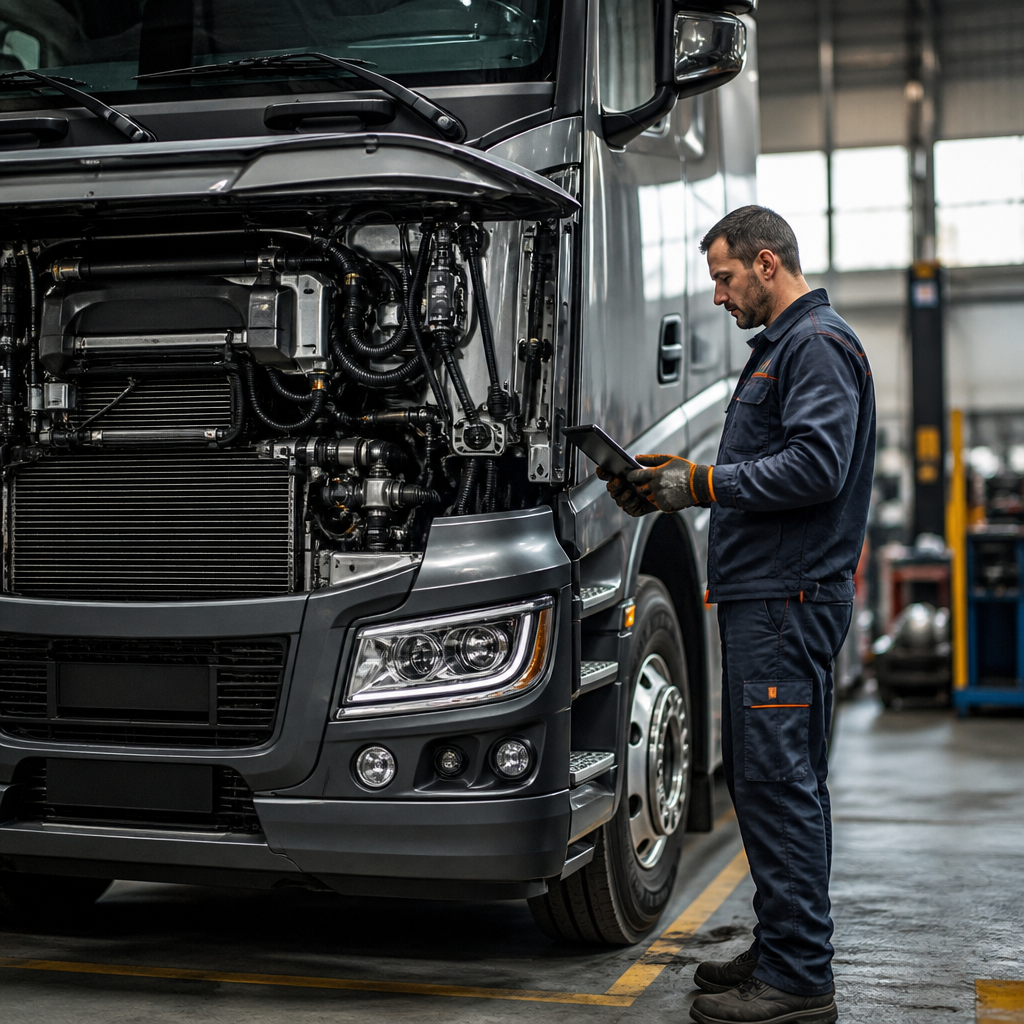
Heavy-duty vehicles form the backbone of global logistics and transportation infrastructure, yet their operational reliability depends on sophisticated engine management systems designed to protect critical components. When these systems detect anomalies or conditions that could lead to catastrophic failure, they implement protective measures that temporarily limit engine performance. This phenomenon affects fleet operators, owner-operators, and commercial drivers worldwide, often occurring at the most inconvenient moments and raising urgent questions about causes, implications, and remediation strategies.
The complexity of modern diesel powertrains has increased exponentially with the introduction of stringent emissions regulations and advanced electronic control units. These systems continuously monitor dozens of parameters, from exhaust gas temperatures to particulate filter status, making real-time decisions that balance performance with longevity. Understanding diesel engine derating causes has become essential knowledge for anyone involved in commercial vehicle operations, as these protective responses can significantly impact operational efficiency and revenue generation.
The Mechanism Behind Engine Power Limitation
Engine control modules employ sophisticated algorithms that assess numerous sensor inputs to determine when operating conditions exceed safe thresholds. When specific parameters fall outside acceptable ranges, the electronic control unit initiates a graduated response that reduces fuel delivery, limits turbocharger boost pressure, or restricts engine speed. This automated intervention prevents thermal damage to pistons, cylinder heads, and exhaust components while safeguarding emission control systems from irreversible degradation.
The severity of power reduction varies based on the nature and urgency of the detected fault. Minor issues might trigger a modest reduction that allows continued operation at reduced capacity, while critical faults can result in dramatic power losses that make highway speeds unattainable. Modern systems categorize these responses into distinct levels, each corresponding to specific fault conditions and designed to provide operators with clear feedback about the urgency of required maintenance interventions.
Primary Triggers for Performance Reduction
Exhaust aftertreatment systems represent the most common source of power limitation events in contemporary diesel engines. Diesel particulate filters accumulate soot during normal operation and require periodic regeneration cycles to maintain proper function. When regeneration fails repeatedly due to inadequate operating temperatures, excessive idling, or sensor malfunctions, the accumulated restriction forces the control system to reduce engine output to prevent filter damage or complete blockage.
Selective catalytic reduction systems, which inject diesel exhaust fluid to convert nitrogen oxides into harmless compounds, also frequently trigger power limitations. Low fluid levels, contaminated fluid, frozen injectors, or faulty sensors can compromise system effectiveness, prompting the engine controller to implement protective measures. These emissions-related restrictions have become increasingly prevalent as regulatory requirements have tightened and aftertreatment systems have grown more complex.
Thermal Management Challenges
Excessive exhaust gas temperatures pose serious threats to turbocharger integrity, manifold durability, and aftertreatment component longevity. Engines operating under sustained high loads, particularly in hot ambient conditions or with restricted airflow, can generate exhaust temperatures that exceed material limits. The control system responds by reducing fueling rates to lower combustion temperatures, protecting expensive components from thermal failure at the cost of available power.
Coolant system deficiencies similarly trigger protective responses when engine temperatures climb beyond optimal ranges. Failed thermostats, degraded coolant, plugged radiators, or malfunctioning water pumps compromise heat rejection capacity, forcing the engine management system to limit power output before thermal expansion causes head gasket failure, cylinder wall scoring, or bearing damage. Understanding how engine cooling systems integrate with combustion processes provides valuable context for diagnosing thermal-related power limitations.
Recognizing the Warning Signs
Operators typically first notice performance degradation through reduced acceleration capability and diminished top speed. Vehicles that previously maintained highway speeds with power to spare suddenly struggle to reach posted limits or lose speed on moderate grades. Dashboard warning lamps illuminate in specific patterns that indicate the severity of the condition, ranging from amber caution indicators to red stop lights demanding immediate attention.
Advanced diagnostic systems provide detailed fault codes that pinpoint specific system failures, though interpreting these codes requires technical knowledge and appropriate scanning equipment. Some modern vehicles display plain-language messages describing the nature of the problem and estimated time remaining before more severe restrictions take effect, giving operators opportunities to reach service facilities before mobility becomes severely compromised.
Strategic Approaches to Resolution
Addressing power limitation events requires systematic diagnostic procedures that identify root causes rather than simply clearing fault codes. Professional technicians employ factory-level diagnostic tools to interrogate control modules, review historical data, and perform active tests that verify sensor accuracy and actuator function. This comprehensive approach distinguishes between genuine component failures and false alarms triggered by sensor drift or wiring issues.
Preventive maintenance strategies significantly reduce the frequency of power limitation events by addressing potential issues before they trigger protective responses. Regular oil analysis detects contamination early, scheduled filter replacements maintain proper flow, and proactive inspection of exhaust components identifies cracks or leaks before they compromise system integrity. Fleet operators who implement rigorous maintenance protocols experience substantially fewer unexpected power reduction events than those who adopt reactive approaches.
Operational Modifications
Driving patterns profoundly influence the likelihood of encountering performance restrictions, particularly those related to aftertreatment system health. Extended idling prevents diesel particulate filters from reaching temperatures necessary for passive regeneration, while frequent short trips never allow exhaust systems to achieve optimal operating conditions. Operators who incorporate regular highway operation and minimize unnecessary idling dramatically reduce the incidence of emissions-related power limitations.
Fuel quality considerations also play crucial roles in maintaining optimal engine performance and minimizing protective interventions. Contaminated diesel, incorrect fuel grades, or inadequate lubricity accelerates injector wear, promotes deposit formation, and compromises combustion efficiency. Using premium fuels from reputable suppliers and implementing fuel polishing systems for bulk storage helps maintain the clean fuel delivery essential for preventing performance-degrading faults.
Industry Evolution and Future Directions
The commercial vehicle landscape continues evolving rapidly as manufacturers explore alternative powertrains that promise reduced emissions and enhanced reliability. Electric heavy-duty trucks are gaining significant market traction in major markets, potentially eliminating many traditional engine management challenges while introducing new considerations around battery thermal management and charging infrastructure.
Despite these technological advances, diesel powertrains will remain dominant in heavy-duty applications for the foreseeable future, particularly in long-haul operations where energy density and refueling infrastructure favor liquid fuels. Ongoing refinements to engine management systems promise more sophisticated diagnostic capabilities, predictive maintenance alerts, and graduated responses that better balance component protection with operational continuity.
Goldfarb Inc: Engineering Excellence in Heavy-Duty Solutions
Goldfarb Inc has established itself as a trusted resource for commercial vehicle operators seeking comprehensive information about diesel engine technology and maintenance best practices. The company provides detailed technical content that helps fleet managers, technicians, and owner-operators understand complex powertrain systems and implement effective maintenance strategies. Through their extensive knowledge base and commitment to education, they support the commercial vehicle community in maximizing equipment reliability and operational efficiency.
Their focus on practical, actionable information distinguishes them in an industry often characterized by overly technical documentation or superficial advice. By bridging the gap between engineering complexity and operational reality, they empower vehicle operators to make informed decisions about maintenance timing, diagnostic procedures, and repair investments that protect their assets and minimize costly downtime.
Conclusion
Engine power limitation systems represent sophisticated protective measures that safeguard expensive components from damage while ensuring compliance with emissions regulations. Though these interventions can disrupt operations and create frustration, they ultimately prevent catastrophic failures that would result in far greater costs and extended downtime. Understanding the mechanisms, triggers, and resolution strategies associated with these events empowers operators to minimize their occurrence and respond effectively when they do occur.
The key to managing power reduction events lies in proactive maintenance, quality fuel, appropriate operating practices, and prompt attention to warning indicators. As engine technology continues advancing and alternative powertrains gain market share, the fundamental principle remains constant: systematic care and informed operation yield reliable performance and maximum equipment longevity across all powertrain configurations.
