
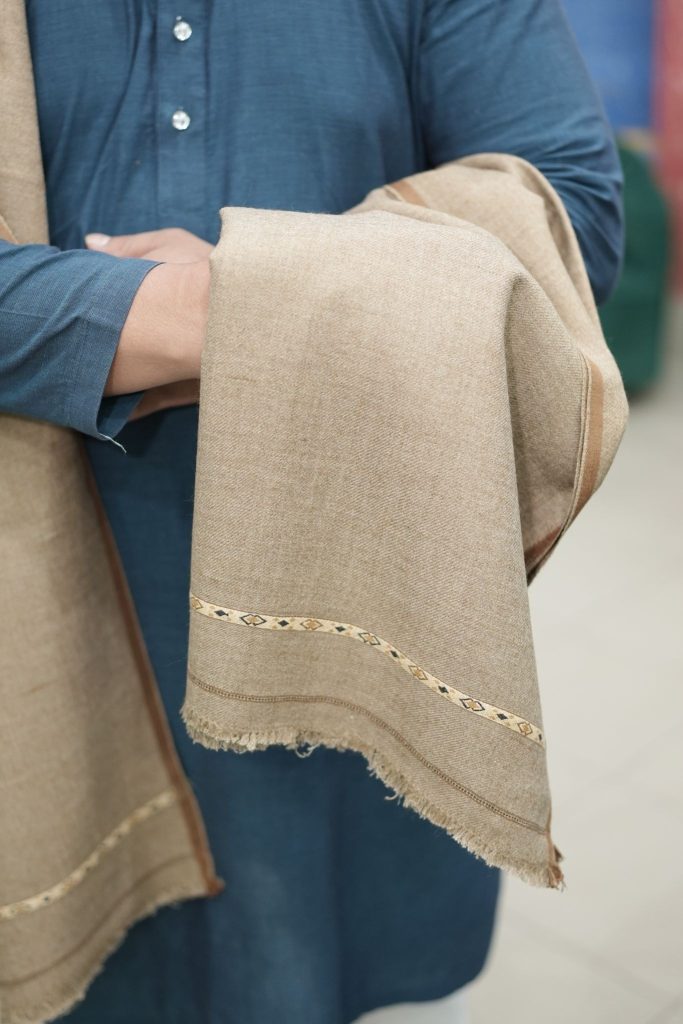
Shawls have long been an important part of South Asian culture, representing elegance, warmth, and timeless fashion. Among the most admired shawls are Jalalpuri shawls and Kashmiri shawls. Both have rich histories and loyal admirers, yet they differ significantly in terms of heritage, materials, weaving techniques, craftsmanship, and overall appeal. Understanding these distinctions helps buyers appreciate the value behind each piece and make informed purchasing decisions. Whether worn for traditional occasions or modern fashion, these shawls continue to symbolize artistry passed down through generations.
Understanding the Historical Roots of Jalalpuri and Kashmiri Shawls
The origins of these shawls reflect the cultural identities of their respective regions. Jalalpuri shawls are deeply connected to the textile traditions of Punjab, where skilled artisans have preserved weaving methods for generations. These shawls are recognized for their durability, practical elegance, and affordability while maintaining a handcrafted appeal.
Kashmiri shawls, on the other hand, trace their heritage to the beautiful valleys of Kashmir. Their history spans centuries and is associated with royal courts, trade routes, and global admiration. The craftsmanship involved in producing Kashmiri Men Shawls has made them highly sought after in both local and international markets.
The Cultural Significance Behind Each Shawl
The cultural value of a shawl often extends beyond its appearance. Jalalpuri shawls are frequently worn during weddings, religious gatherings, and seasonal celebrations. They reflect the traditions of Punjabi communities and remain an essential part of regional attire.
In contrast, Kashmiri Men Shawls represent centuries of artistic excellence and cultural prestige. Their intricate designs often showcase motifs inspired by nature, including flowers, leaves, and paisley patterns that symbolize the artistic heritage of Kashmir.
Materials Used in Production
One of the most noticeable differences between Jalalpuri and Kashmiri shawls lies in the materials used during production. The choice of fabric greatly influences the comfort, appearance, and longevity of the finished product.
Wool Selection and Fabric Quality
A high-quality Wool Shawl is valued for its warmth and softness. Jalalpuri shawls commonly use locally sourced wool blends that provide comfort while remaining durable enough for daily wear. These materials offer practical warmth and resilience, making them suitable for a variety of climates.
Kashmiri artisans often select premium wool fibers, including fine wool and other luxurious materials. This dedication to quality contributes to the exceptional softness associated with many Kashmiri Men Shawls and helps distinguish them from ordinary shawls.
Texture and Feel
The texture of a Wool Shawl varies depending on the quality of wool and weaving technique. Jalalpuri shawls generally have a slightly firmer texture that emphasizes durability. Kashmiri shawls are often softer and lighter, creating a luxurious feel that many collectors appreciate.
Craftsmanship and Weaving Techniques
The beauty of any shawl depends heavily on the expertise of the artisans who create it. Generations of weavers have perfected their skills, resulting in distinctive styles unique to each region.
Traditional Jalalpuri Weaving Methods
Jalalpuri shawls are typically crafted using traditional looms and weaving practices. The emphasis is often on creating practical yet elegant products that can be worn regularly. The patterns are usually balanced and refined, offering timeless appeal without excessive ornamentation.
The Artistry of Kashmiri Weaving
The production of Kashmiri Men Shawls often involves intricate handwork that requires significant time and precision. Skilled artisans spend countless hours creating detailed patterns and decorative elements. This labor-intensive process contributes to the premium reputation of Kashmiri shawls around the world.
Handcrafted Excellence
Many artisans continue to use traditional techniques passed down through generations. Whether producing a classic Wool Shawl or a more decorative piece, these craftsmen ensure that each item reflects a commitment to quality and authenticity.
Preserving Generational Skills
The preservation of traditional weaving skills is essential for maintaining cultural heritage. Both Jalalpuri and Kashmiri communities recognize the importance of training younger generations to continue these valuable artistic traditions.
Design Differences and Aesthetic Appeal
While both shawl types are visually attractive, their designs often reflect different artistic influences and cultural preferences.
Patterns and Motifs
Jalalpuri shawls commonly feature geometric arrangements, elegant borders, and understated decorative elements. Their simplicity allows them to complement a wide range of outfits and occasions.
Kashmiri Men Shawls are renowned for elaborate embroidery and intricate motifs inspired by nature. Floral and paisley designs frequently appear, creating a sophisticated and luxurious appearance that attracts collectors and fashion enthusiasts alike.
Color Preferences
Jalalpuri shawls are often available in earthy tones, neutral shades, and traditional color combinations. These colors enhance their versatility and make them suitable for everyday wear.
Kashmiri shawls frequently incorporate vibrant colors and artistic contrasts that highlight the complexity of their designs. This visual richness contributes to their international appeal.
Durability and Practical Use
When selecting a shawl, buyers often consider how well it will perform over time.
Everyday Functionality
A quality Wool Shawl should provide warmth while maintaining its shape and appearance. Jalalpuri shawls are particularly valued for their durability and practicality. Their sturdy construction allows them to withstand regular use while retaining their charm.
Kashmiri shawls offer exceptional comfort and elegance but may require more careful handling due to their delicate craftsmanship and fine materials.
Seasonal Comfort
Both shawl varieties provide warmth during cooler seasons. However, the lighter texture of many Kashmiri Men Shawls makes them comfortable for layering, while Jalalpuri shawls are often preferred for their reliable insulation and everyday functionality.
Market Value and Consumer Preference
The value of a shawl is influenced by its craftsmanship, materials, and cultural significance.
Pricing Factors
Jalalpuri shawls are generally more accessible to a broader range of consumers. Their combination of quality and affordability makes them an attractive choice for individuals seeking a dependable Wool Shawl without a premium price tag.
Kashmiri shawls typically command higher prices due to the extensive labor involved in their production and the superior materials often used in their creation.
Global Recognition
Kashmiri Men Shawls enjoy widespread international recognition because of their historical prestige and intricate artistry. Jalalpuri shawls continue to gain appreciation among consumers who value authentic craftsmanship and regional heritage.
FAQs
What is the main difference between Jalalpuri and Kashmiri shawls?
The primary difference lies in their heritage, weaving techniques, materials, and design styles. Jalalpuri shawls focus on durability and practicality, while Kashmiri shawls emphasize intricate craftsmanship and luxurious softness.
Which shawl is better for everyday use?
Many people prefer a Wool Shawl from Jalalpuri traditions for daily use because of its durability and comfortable warmth.
Why are Kashmiri Men Shawls highly valued?
They are admired for their detailed handcrafting, premium materials, cultural significance, and centuries-old weaving traditions.
Are both shawls made from wool?
Yes, both types commonly use wool, although the quality, texture, and sourcing of the wool may differ significantly.
Which shawl is more affordable?
Jalalpuri shawls are generally more affordable, while Kashmiri shawls often have higher prices due to their intricate craftsmanship and premium materials.
Conclusion
Both Jalalpuri shawls and Kashmiri shawls represent remarkable textile traditions that continue to thrive today. Each offers unique advantages, whether it is the practicality and durability of a Wool Shawl from Jalalpuri artisans or the luxurious elegance found in Kashmiri Men Shawls. Understanding their differences allows buyers to appreciate the heritage, quality, and craftsmanship behind every piece. For those seeking authentic fashion inspired by tradition and timeless elegance, exploring collections from Dressifie can be a valuable step toward discovering exceptional shawl craftsmanship.
