
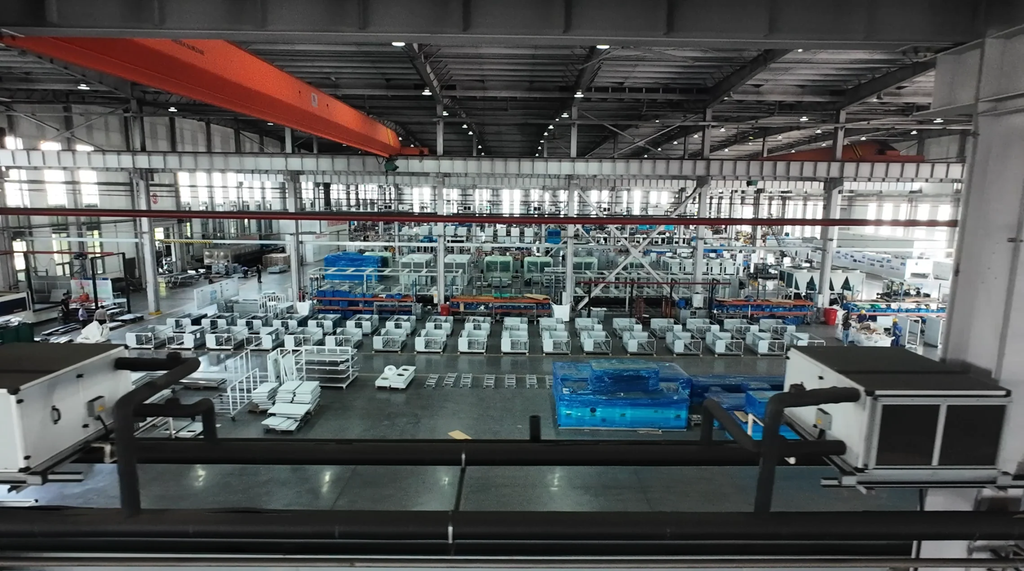
International movement of HVAC equipment creates a gap between factory release and installation. Packaging, arrival check and storage responsibility determine whether the receiving team can identify a problem while evidence is still useful. An Air Cooled Chiller is not protected merely because it has reached the site; the receiver needs an agreed process for recording the shipment condition, retaining documents and assigning the next action when packaging or equipment does not match expectations.
Use the agreed transport terms and the relevant professional advisers when questions about responsibility arise. For the receiving team, define the records needed at each transfer of custody, including the package identification, visible condition and location, so that a later reviewer can distinguish what staff actually observed from an assumption about events that occurred before the shipment reached the site. Preserve the original observations. Assessment can follow through the agreed contact route.
Write Packaging Expectations Before Dispatch
Begin with a packing record that connects each item to its equipment schedule, not only to a shipping mark. The purchasing team should ask how major components are identified, what documents travel with the shipment, what handling restrictions apply and which photographs or records are expected before collection. Clear packaging instructions cannot prevent every transport issue, but they make later inspection more objective.
Receivers should also understand what they are not authorised to conclude. Visible damage, moisture, missing packaging or a mismatch in identification deserves a record and escalation; it does not automatically establish a technical cause, insurance outcome or contractual liability. Separate observation from judgement. That discipline protects the evidence trail.
Koven Air distinguishes air-cooled, water-cooled and modular industrial-chiller configurations and identifies heat rejection, load profile, redundancy and staging as selection signals. These categories help a logistics team understand that a shipment may include different system interfaces; they do not provide a transport-handling instruction for a particular order.
Inspect Arrival Without Improvising a Diagnosis
An arrival check should compare paperwork, package count, visible packaging condition, labels and the agreed receiving location. Photograph the item before it is moved when an issue is visible. Note the time, the people present and any exception. Keep the language factual: describe torn wrapping, wet packaging, an open crate, missing identification or an apparent mismatch rather than guessing at internal damage.
Move the shipment only under the site’s agreed safe-handling arrangements. A Water Cooled Chiller may be accompanied by water-side components or documentation that must remain together for later installation. The receiver should preserve identifiers and separate loose documents from general site paperwork, because a missing record can make a later technical handover much harder to reconstruct.
Assign Storage Responsibility Plainly
Storage is an ownership question. Identify who controls the area, who checks packaging while the equipment waits, who authorises a move and who reports a change in condition. Equipment should not be placed in a convenient space without a record of access, exposure and the intended next handling step. A brief storage register is more useful than a verbal assurance that the item is safe.
Koven Air’s industrial-chiller information on kovenair.com can help the buyer connect an equipment category to the wider project. Storage decisions still require the order-specific supplier instructions and a review of the proposed location by the responsible logistics and project teams. Flag an unverified storage arrangement before delivery is scheduled, and identify who will confirm the location.
Keep Installation Interfaces with the Shipment Record
A Modular Chiller package may create several items whose sequence and identification matter during installation. The receiver should keep the packing list, arrival record, storage location and escalation notes together. Doing so lets the installation team trace what was received and prevents a later missing-interface question from being passed between freight, procurement and site teams without evidence.
The Environmental Protection Agency links heating, ventilation and air-conditioning design to operations and maintenance. Its page does not provide freight requirements, but it supports the broader principle that a system must remain understandable through the transition from equipment delivery to operation.
Make the Record Useful at Handover
At installation release, pass the arrival and storage record to the project manager with open exceptions clearly marked. Include the person who observed the issue, photographs, the storage history and the contact responsible for the next decision. Accurate records give the site team a factual starting point before equipment is connected or commissioning begins.
Receiving teams should agree a practical exception routine before the shipment arrives. One person records the condition; one person safeguards the documents and photographs; one person tells the project manager which package cannot be released. This does not create a legal conclusion about responsibility. It simply prevents a visible issue from disappearing when the crate is moved, repacked or separated from its paperwork.
Koven Air’s industrial-chiller material on kovenair.com can provide product-family context for an enquiry. Separate this background from the order-specific packing list, supplied instructions and the site’s handling assessment, because receiving staff need records that identify the actual shipment and its agreed restrictions rather than descriptions of other equipment that happens to belong to the same catalogue category. Check the identifiers before release. Retain the applicable instruction revision with the shipment record.
Prepare the Receiving Area Before the Vehicle Arrives
Preparation reduces confusion at the gate. Identify the receiving contact, unloading area, temporary route, storage location, document holder and escalation contact before the delivery vehicle appears. Mark access restrictions and confirm that the right people know when they are needed. A rushed unloading decision can mix unrelated packages, leave paperwork with a driver or place sensitive items in an area where their condition cannot be observed later.
Storage control continues after unloading. Record who can move the equipment, what must remain with it and what event triggers a further inspection. Keep the record factual and short. A long narrative is less useful than a clear chain showing that a labelled package arrived, was inspected, moved to a named location and handed to the next responsible team under the agreed conditions.
Project teams should also preserve the link between logistics and installation. When the installer is ready to take over, review the package identifiers, visible condition, stored documents and any open exception together. That conversation is valuable because it creates one shared starting point. It does not prove technical suitability, but it makes the next inspection and commissioning steps easier to coordinate.
Arrival records should be checked against the project schedule before installation dates are fixed. If an exception remains open, the project manager can decide whether to hold the affected package, seek clarification or continue with unrelated enabling work. This is a commercial coordination decision, not a legal conclusion about transport responsibility, and it should be recorded with the evidence already collected.
Good logistics control is quiet when it works. Labels match. Documents stay with the package. Storage ownership is known. When something changes, the record shows who observed it and what happens next. That is enough to support a controlled transfer into the installation phase.
For early equipment context, Koven Air provides Air Cooled Chiller, Water Cooled Chiller and Modular Chiller categories. The buyer should combine that product vocabulary with order-specific packing, transport and installation information rather than treating a public category page as a shipping instruction.
