
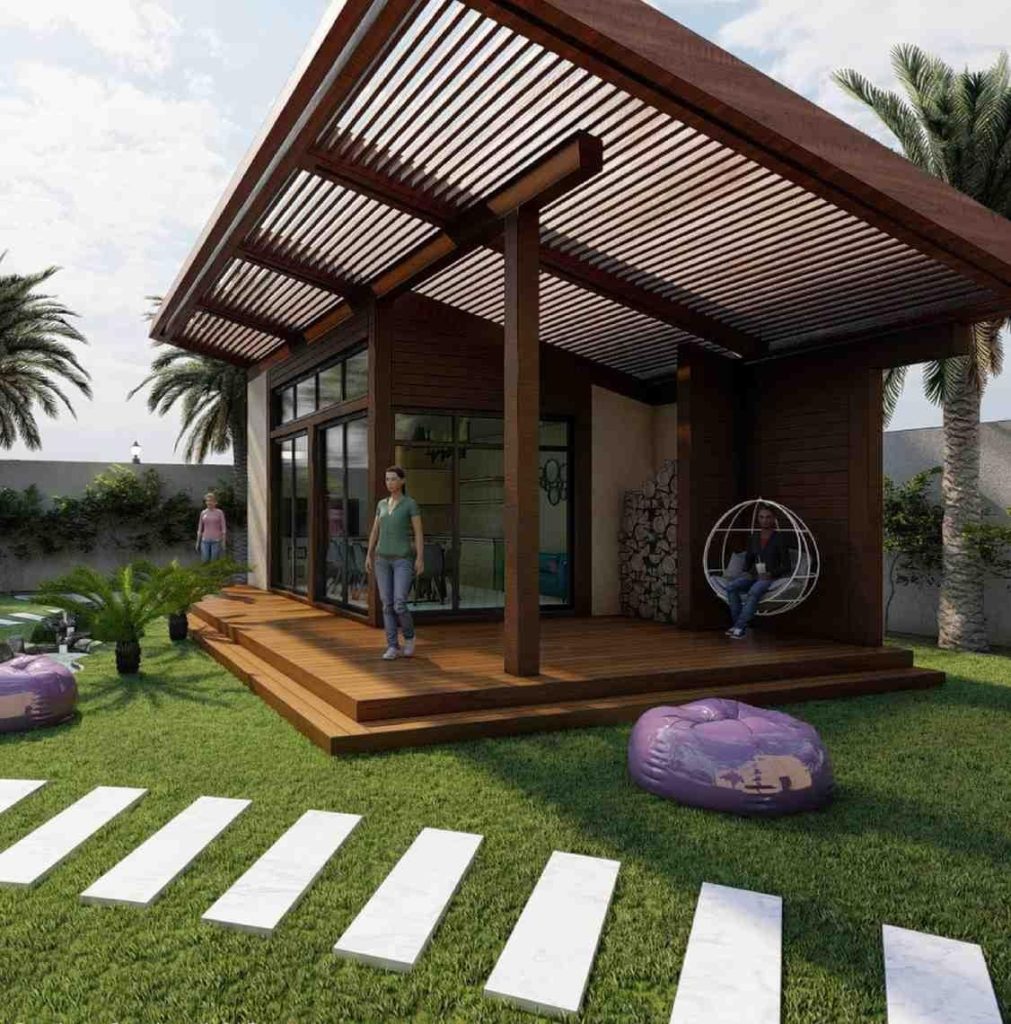
Structured green spaces have become an essential element of modern residential planning, combining aesthetics, functionality, and environmental responsibility. Thoughtful garden design transforms outdoor areas into purposeful spaces that enhance the quality of life for homeowners. More than just a collection of plants, structured green spaces provide balance, order, and harmony that are difficult to achieve with casual or random landscaping. By integrating layout planning, plant selection, and functional elements, these spaces not only elevate the visual appeal of a property but also create environments that support well-being, sustainability, and long-term maintenance. The careful integration of Outdoor planting at this stage ensures that every plant thrives in the right conditions, establishing a solid foundation for healthy, vibrant gardens.
1. Enhances Aesthetic Appeal and Visual Harmony
One of the most apparent benefits of structured green spaces is the visual transformation they bring to a property. Thoughtful landscaping turns ordinary yards into curated environments, where every plant, pathway, and seating area complements the overall composition. Garden elements are intentionally placed to create balance, focal points, and visual rhythm. By incorporating principles of garden decor, such as textured surfaces, ornamental features, and carefully selected accessories, homeowners can elevate the sophistication and charm of their outdoor spaces. The result is a cohesive landscape, inviting and reflective of personal style, rather than appearing chaotic or cluttered.
2. Promotes Physical and Mental Well-being
Structured green spaces have significant health benefits. Access to organized outdoor areas encourages homeowners to spend more time outside, engaging in light physical activity such as walking, gardening, or stretching. These activities improve cardiovascular health, muscle tone, and overall fitness. More importantly, well-planned green spaces offer areas for mental relaxation, reducing stress and fostering mindfulness.The calming influence of greenery is amplified when the landscape is intentionally structured. Spaces designed with thoughtful Outdoor planting and harmonious plant groupings create environments that promote mental clarity and emotional stability.
3. Increases Property Value and Market Appeal
Investing in structured green spaces can significantly enhance a home’s market value. Real estate experts consistently note that well-maintained gardens with intentional layouts are highly appealing to potential buyers. Homes that feature cohesive garden design demonstrate attention to detail and elevate the overall perception of the property. Structured landscapes suggest that a home has been cared for comprehensively, signaling quality and sophistication.
4. Encourages Sustainable and Eco-friendly Practices
A structured approach to landscaping allows for efficient use of natural resources. By planning plant placement according to sunlight, soil type, and water requirements, homeowners can reduce waste and optimize growth conditions. Incorporating eco-conscious strategies, such as rainwater harvesting or drought-tolerant plant selections, minimizes environmental impact while maintaining lush greenery. Sustainably designed landscapes also support biodiversity, creating habitats for pollinators, birds, and beneficial insects.
5. Facilitates Efficient Maintenance and Longevity
Structured green spaces simplify long-term care. Clearly defined zones and plant groupings make it easier to manage watering schedules, pruning, fertilization, and pest control. Well-organized gardens reduce the likelihood of plant overcrowding, soil degradation, or damage to delicate features, which often occur in unplanned landscapes. By aligning maintenance practices with the initial design, homeowners can prolong the life and health of their outdoor areas.
6. Supports Functional Outdoor Living Spaces
Structured green spaces extend the usability of a property by creating clearly defined areas for different activities. From lounging and dining to recreational spaces or meditation corners, organized landscapes provide versatility that enhances daily life. Thoughtful planning ensures that seating, pathways, and shade structures are positioned for maximum comfort and convenience. Integrating features such as pergolas, patios, or water elements into the layout further elevates the functionality of these areas.
7. Strengthens Environmental Resilience
Homes with structured green spaces are better equipped to withstand environmental challenges. Strategic plant placement reduces soil erosion, improves drainage, and mitigates wind or heat stress on delicate vegetation. Grouping plants according to water and sunlight requirements ensures each species thrives under optimal conditions, reducing the risk of loss or damage. Careful planning also allows for seasonal adaptability. Structured landscapes accommodate growth cycles, seasonal rotations, and adjustments in watering or fertilization.
8. Enhances Aesthetic Integration with Architecture
Structured landscapes complement the architectural features of a home, creating a seamless transition between indoor and outdoor environments. Thoughtful garden decor elements, including planters, stone pathways, and ornamental structures, are coordinated with building materials and design themes to enhance cohesion. Aligning plantings with lines, colors, and textures of the home ensures that the outdoor space feels like an intentional extension of the property.
9. Encourages Creative Expression and Personalization
Structured green spaces provide homeowners with a platform for creative expression. By selecting plant species, colors, textures, and ornamental elements, residents can reflect their personality and lifestyle within the landscape. Thoughtful garden design allows for unique focal points, thematic layouts, and custom features that distinguish one property from another. Personalized landscaping not only increases emotional connection to the home but also fosters pride in ownership.
10. Promotes Community Interaction and Social Value
Well-maintained green spaces have a positive social impact by encouraging interaction and fostering community engagement. Homes with inviting outdoor areas can host gatherings, recreational activities, or neighborhood events. Structured layouts ensure these spaces are comfortable, accessible, and visually appealing, making them more likely to be used regularly. Outdoor areas designed with both beauty and function in mind become points of connection among family, friends, and neighbors.
Conclusion
Structured green spaces offer a multitude of benefits, from enhancing aesthetics and well-being to increasing property value, sustainability, and social interaction. By integrating careful garden design, strategic Outdoor planting, and complementary garden decor, homeowners can create environments that are visually appealing, functional, and enduring. Thoughtful planning ensures that landscapes mature gracefully, maintain resilience under changing conditions, and continue to provide enjoyment for years to come.
The Gardenian specializes in delivering these comprehensive landscaping solutions, offering expertise in planning, execution, and maintenance. With a focus on quality, sustainability, and site-specific solutions, the company transforms ordinary outdoor areas into structured, thriving green spaces that reflect both purpose and elegance. By combining professional insight with meticulous attention to detail, The Gardenian ensures that every home benefits from landscapes designed to inspire, relax, and endure.
