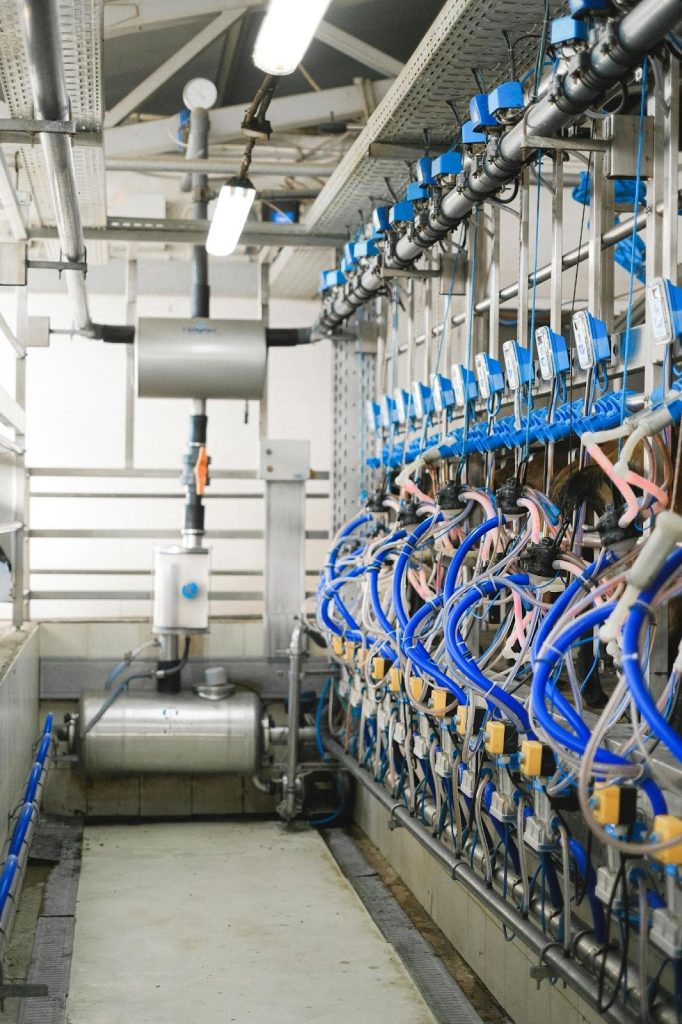
Manufacturing has always relied on machinery, but the conversation has shifted. It’s no longer just about individual pieces of equipment—it’s about how entire systems work together. Industrial processing systems have become the foundation of efficient production, shaping everything from output quality to operational flexibility.
As industries grow more complex, the importance of these systems continues to increase. Companies are under pressure to produce more, waste less, and adapt quickly to changing market conditions. Achieving all of that requires more than standalone machines—it requires well-designed, integrated systems that can perform reliably over time.
Understanding how these systems function, and how they’re evolving, offers valuable insight into the future of manufacturing.
The Shift from Machines to Systems Thinking
Looking Beyond Individual Equipment
In earlier manufacturing models, equipment was often evaluated in isolation. A machine was selected based on its specifications, installed, and expected to perform its task independently.
That approach is no longer sufficient. Today’s production environments depend on interconnected processes where each component influences the others. A bottleneck in one area can affect the entire operation.
Industrial processing systems address this challenge by integrating multiple pieces of equipment into a cohesive workflow. Instead of focusing on isolated performance, manufacturers are now optimizing entire systems.
The Impact on Efficiency and Output
When systems are designed effectively, the benefits are immediate. Production becomes more consistent, downtime is reduced, and resource usage is optimized.
This system-level perspective also makes it easier to identify inefficiencies and implement improvements. Rather than troubleshooting individual machines, engineers can analyze how processes interact and adjust accordingly.
How Industrial Processing Systems Drive Performance
Integrating Technology and Workflow
Modern processing systems combine mechanical components with advanced control technologies. Automation, sensors, and data analytics all play a role in ensuring that processes run smoothly.
These systems can monitor variables such as temperature, pressure, and flow rates in real time, making adjustments as needed to maintain optimal conditions.
Supporting Consistency Across Production
Consistency is critical in manufacturing, particularly in industries like pharmaceuticals, chemicals, and food processing. Variations in output can lead to quality issues, regulatory challenges, and increased costs.
Well-designed systems help maintain uniformity by controlling every stage of production. This level of precision is difficult to achieve with disconnected equipment.
For a deeper understanding of how modern manufacturing standards are evolving, resources from Manufacturing USA highlight how advanced manufacturing systems and innovation-driven initiatives are shaping the future of industry, emphasizing integrated approaches that enhance efficiency, competitiveness, and overall industrial performance.
Accessing and Implementing Industrial Processing Systems
Finding the Right Systems for Specific Needs
Not all processing systems are created equal. Each industry has unique requirements, and even within the same sector, production goals can vary significantly.
Working with providers that specialize in industrial processing systems, including International Process Plants, allows manufacturers to identify solutions that align with their operational needs. These providers often offer access to a wide range of systems, along with the expertise needed to evaluate and implement them effectively.
This approach helps companies avoid costly mismatches and ensures that systems deliver the expected performance.
Balancing Customization and Practicality
Customization is often necessary, but it must be balanced with practicality. Fully bespoke systems can be expensive and time-consuming to develop.
In many cases, adapting existing systems or combining standard components can achieve similar results more efficiently. This flexibility is one of the key advantages of modern sourcing approaches.
The Role of Systems in Industrial Transformation
Adapting to Changing Market Demands
Manufacturing environments are becoming more dynamic. Demand can shift quickly, and companies must be able to adjust their production accordingly.
Processing systems that are modular and scalable make this possible. They allow manufacturers to increase capacity, modify processes, or introduce new products without overhauling entire operations.
Supporting Industry-Wide Innovation
Innovation often happens at the system level. New technologies, materials, and processes are integrated into existing frameworks, improving performance without disrupting operations.
For example, developments in transportation and logistics—such as the rise of electric heavy vehicles discussed in this report on the transition of heavy trucks toward electrification—highlight how broader industry changes influence manufacturing systems. As supply chains evolve, processing systems must adapt to new inputs, timelines, and operational requirements.
Key Considerations When Evaluating Processing Systems
Compatibility with Existing Infrastructure
Introducing a new system requires careful planning. It must integrate with existing equipment, utilities, and control systems.
Manufacturers should assess factors such as space requirements, energy consumption, and compatibility with current workflows before making a decision.
Maintenance and Long-Term Reliability
Processing systems are long-term investments. Their performance over time depends on proper maintenance and the availability of replacement parts.
Choosing systems with a strong support network and clear maintenance protocols helps ensure reliability and reduces the risk of unexpected downtime.
Regulatory Compliance
Many industries operate under strict regulatory frameworks. Processing systems must meet these standards to ensure safety and product quality.
This includes compliance with environmental regulations, safety guidelines, and industry-specific requirements.
Economic and Environmental Benefits
Improving Resource Efficiency
Integrated systems are designed to use resources more efficiently. By optimizing processes, they reduce waste, energy consumption, and material usage.
This not only lowers operational costs but also supports sustainability goals.
Maximizing Return on Investment
Although processing systems can represent a significant investment, their impact on efficiency and output often leads to strong returns.
Faster production, reduced downtime, and improved quality all contribute to better financial performance over time.
The Future of Industrial Processing Systems
The evolution of processing systems is far from complete. Advances in automation, artificial intelligence, and data analytics are continuing to push the boundaries of what these systems can achieve.
Future systems are likely to become even more adaptive, capable of learning from data and adjusting processes in real time. This will further enhance efficiency and reduce the need for manual intervention.
At the same time, sustainability will remain a central focus. Manufacturers will continue to seek systems that minimize environmental impact while maintaining high levels of productivity.
Conclusion
Industrial processing systems have become a defining element of modern manufacturing, shaping how products are made and how businesses operate. By moving beyond individual machines and focusing on integrated processes, companies can achieve greater efficiency, consistency, and flexibility.
The ability to select, implement, and optimize these systems is now a key competitive advantage. Manufacturers that invest in the right solutions—and approach them strategically—are better positioned to adapt to changing conditions and pursue new opportunities.
As the industry continues to evolve, one thing is clear: success will depend not just on what equipment is used, but on how effectively it all works together.