
Workation travel has become a defining lifestyle pattern of 2025 as professionals increasingly seek destinations that allow productive work while offering restorative surroundings. This shift reflects a broader desire for autonomy, cultural immersion, and healthier work rhythms.
More travelers choose extended stays abroad to strengthen creativity and reduce stress. During these periods, many individuals explore leisure options, such as the teen patti game, as a simple method to unwind between work sessions. This blend of responsibility and recreation has reshaped expectations for modern travel.
Drivers Behind the Shift
Several economic, technological, and behavioral forces have contributed to the rising popularity of workation travel across multiple regions.
Corporate Flexibility
A growing number of companies rely on hybrid models supported by secure cloud systems, asynchronous communication, and performance tracking tools. These systems allow employees to maintain output from various time zones without operational gaps. As a result, extended travel has become compatible with professional obligations.
Infrastructure Improvements
Governments and private operators have invested heavily in digital readiness to attract remote professionals. Visa programs in Southern Europe, Southeast Asia, and Latin America support long stays with simplified paperwork and favorable tax conditions. Hotels and co working facilities are upgrading internet quality, offering ergonomic workstations, and providing dedicated meeting rooms to accommodate digital workers.
What Makes Workation Destinations Appealing
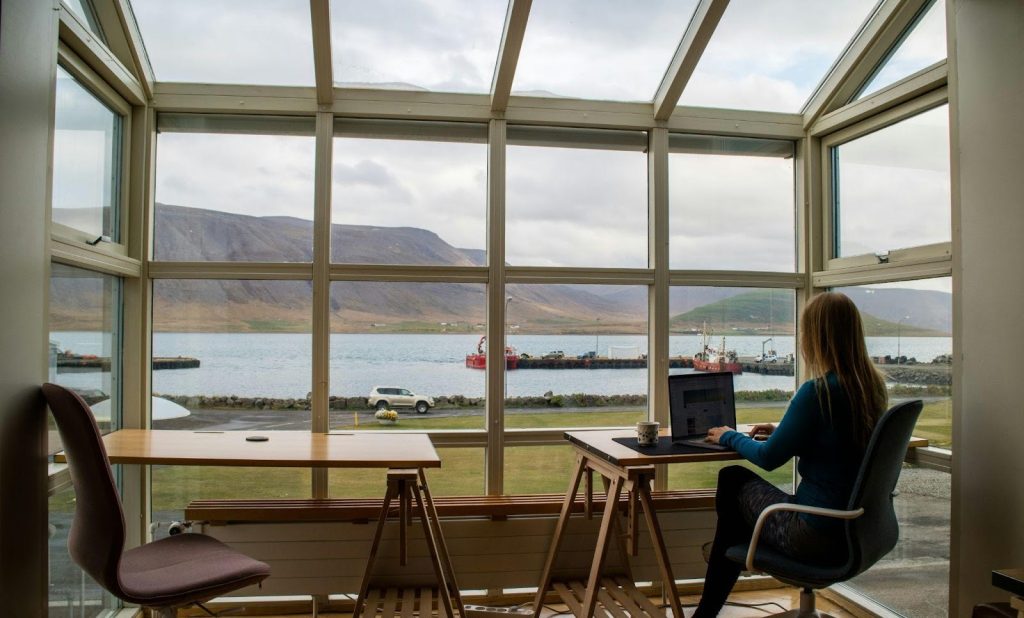
Workation travelers approach destination selection with the dual goal of maintaining productivity and enriching personal experiences.
Stability and Connectivity
A reliable digital environment is essential for virtual meetings and steady communication. Many destinations that once depended on seasonal tourism now upgrade infrastructure to ensure uninterrupted electricity, wide network coverage, and dependable transportation links. This reliability helps travelers meet deadlines consistently.
Cost Effectiveness
Affordability plays a significant role for those planning multi-week or multi-month stays. Locations with favorable exchange rates, accessible markets, and reasonable accommodations attract a wide demographic. These areas often develop informal communities of professionals who collaborate, socialize, and share local resources.
Leisure Opportunities
Cultural depth and outdoor activities elevate a destination from convenient to desirable. Hiking paths, coastal recreation, culinary workshops, and artistic events provide structured experiences after working hours. Such environments support long term motivation and reduce burnout.
How Travelers Structure Their Workations
Travelers who intend to maintain professional output during extended stays must adopt structured habits and prepare for diverse logistical conditions. This preparation strengthens stability and minimizes the risk of early disruptions.
Travelers preparing for extended stays usually follow several essential steps:
- Evaluating digital and connectivity requirements
- Securing accommodations with functional workspaces
- Confirming compliance with visa rules and long-stay regulations
- Preparing cybersecurity tools suitable for public and shared networks.
These steps allow individuals to begin work efficiently upon arrival and maintain continuity during transitional periods when routines are not yet fully formed.
Daily Routines
Many travelers design schedules that prioritize demanding tasks in the morning and reserve afternoons for exploration. This predictable structure supports consistent performance while promoting deeper cultural engagement throughout the day. It also creates space for cognitive recovery, which contributes to sustained output during long work cycles.
Adapting to Local Rhythms
Workation travelers often adjust their schedules to align with local cultural patterns. Markets, transportation systems, meal times, and climate conditions influence the best periods for work and leisure. Adaptation to local rhythms strengthens comfort, reduces logistical friction, and increases the sense of integration within the destination.
Technology Management
Reliable technology management becomes essential during extended stays. Travelers carry backup devices, portable routers, and secure storage options to prevent interruptions caused by hardware limitations or local network instability. This focus on redundancy protects work output and ensures consistent participation in virtual meetings and collaborative sessions.
Social and Professional Integration
Many individuals form networks within co-living and co-working spaces, where they exchange expertise and cultivate shared routines. These micro-communities support accountability, reduce isolation, and create opportunities for informal skill development. Social integration also softens the psychological impact of long periods spent away from familiar environments.
A Broader Shift in Lifestyle Expectations
Workation travel reflects a transformation in how modern professionals value their time, wellbeing, and global mobility. The trend encourages individuals to design life rhythms aligned with personal development and professional demands rather than strict geographical boundaries.
As digital infrastructure progresses and workplace policies evolve, workation travel is expected to influence future tourism strategies and employment models throughout the coming decade.